

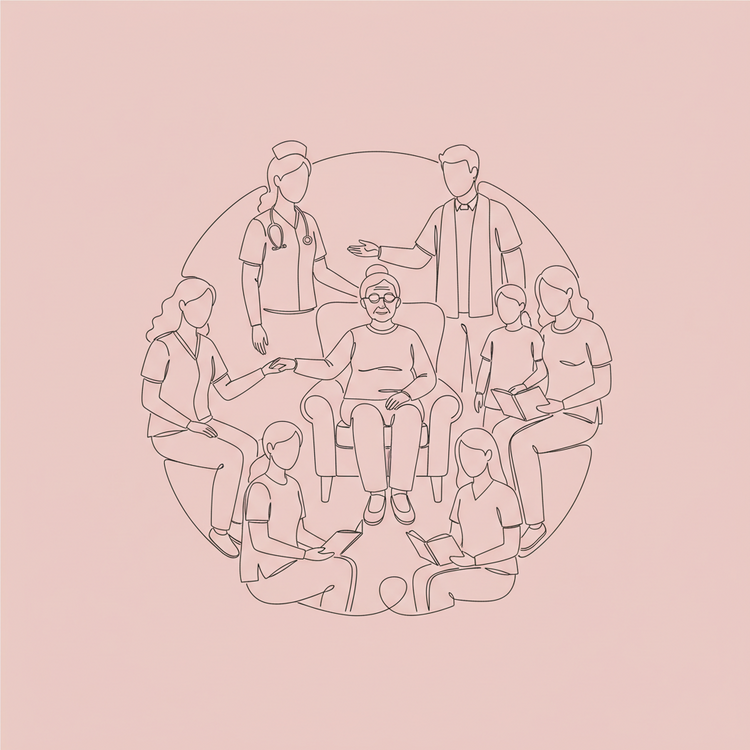
When facing a life-limiting illness, the thought of hospice care can bring a mix of emotions. It’s a time of profound change, often accompanied by questions about what comfort and support truly look like. The truth is, hospice care isn’t a single person or a single service; it’s a deeply compassionate, full circle of professionals dedicated to ensuring your comfort, peace, and dignity every step of the way.
At ViaQuest Hospice, we believe in a holistic approach, understanding that true care extends beyond medical needs. It encompasses emotional, spiritual, and practical support for both the patient and their loved ones. This article will introduce you to the dedicated individuals who form this vital circle, highlighting how their coordinated efforts create a sanctuary of care.
Meet Your Compassionate Care Team
Hospice care is built upon a multidisciplinary team model, which is recognized as a best practice and mandated by Medicare to ensure comprehensive support for patients and families alike (Hospice News, 2023). This team works seamlessly to provide physical comfort, emotional solace, and practical assistance. Here are the core members you’ll encounter:
- Hospice Physician/Medical Director: Oversees the patient’s medical care, consults with the primary care physician, and manages symptoms to ensure comfort.
- Registered Nurses (RNs): The frontline caregivers, nurses provide skilled symptom management, administer medications, educate families, and serve as a consistent point of contact.
- Certified Nursing Assistants (CNAs)/Hospice Aides: Offer essential daily personal care, such as bathing, dressing, and mobility assistance, providing compassionate hands-on support.
- Social Workers: Provide invaluable emotional support and assist with practical matters like advanced care planning, navigating resources, and facilitating family communication.
- Chaplains/Spiritual Counselors: Offer spiritual and emotional support tailored to the patient’s and family’s beliefs, helping to find peace and meaning.
- Volunteers: Offer companionship, assist with errands, provide respite for caregivers, and bring a unique sense of community and support.
- Bereavement Counselors: Extend support to families during and after their loved one’s passing, offering grief counseling and resources for up to a year or more (Hospice News, 2024).
How Each Role Supports Both Patient and Family
The beauty of the hospice team lies in its integrated approach, where each member contributes to a comprehensive care plan that addresses the unique needs of both the patient and their family. For instance, while nurses meticulously manage the patients’ pain and physical symptoms, a social worker might be helping the family navigate financial concerns or access community resources.
Chaplains and spiritual counselors offer a comforting presence, addressing spiritual questions or fears for both the patient and their loved ones, providing a space for reflection and solace (JAMA, 2024). Hospice aides ensure dignity in daily care, while volunteers provide a reassuring presence, often allowing family caregivers much-needed breaks. This interwoven network ensures no one feels alone in their journey.
Ensuring 24/7 Comfort and Consistent Care Through Teamwork
Effective communication and seamless collaboration among hospice team members are the bedrock of personalized, high-quality care. This teamwork ensures that care plans are dynamic, responsive to evolving needs, and consistently delivered. Regular team meetings allow professionals to share insights, adjust strategies, and maintain a unified approach to patient and family support.
Studies show that well-coordinated interdisciplinary teams significantly improve patient quality of life, boost family satisfaction, and can even reduce healthcare utilization at the end of life (Health Affairs, 2023). This collaborative spirit extends to round-the-clock availability, meaning that a compassionate team member is always just a phone call away, providing reassurance and support whenever it’s needed.
Even with advances in technology like telehealth for remote coordination, the human touch remains paramount. Technology serves to enhance, not replace, the direct, personalized care that hospice teams provide, especially in connecting families and team members across distances (Modern Healthcare, 2023).
The Difference the Circle of Care Makes
The comprehensive Circle of Care profoundly impacts the hospice journey. It transforms what could be a time of overwhelming burden into a period of comfort, peace, and cherished moments. Families often express deep gratitude for the emotional and practical support they receive, allowing them to focus on simply being present with their loved one.
It’s the quiet moments of companionship provided by a volunteer, the empathetic ear of a social worker, the gentle touch of a hospice aide, or the tireless dedication of a nurse ensuring pain relief. These individual contributions, when woven together by a unified team, create a safety net of support that honors life and provides dignity until the very end. The focus on personalized care, responsive to patient and family preferences, empowers everyone involved to find peace amidst challenging circumstances.
At ViaQuest Hospice, our dedicated teams in Indiana and Pennsylvania are committed to living out this philosophy daily, making every moment matter for the families we are privileged to serve.
Understanding the full scope of hospice support is a journey, and you don’t have to navigate it alone. If you’re seeking compassionate care that truly understands your needs, we invite you to connect with ViaQuest Hospice. Our dedicated team is ready to answer your questions and provide the comprehensive support your family deserves. Call us today at 855.289.1722 to learn more or download our Complete Guide to Hospice Care for detailed insights into our services.
Key Takeaways
- Hospice care is provided by a multidisciplinary team, including nurses, doctors, social workers, chaplains, aides, and volunteers.
- Each team member supports both the patient’s physical and emotional needs, as well as the family’s well-being.
- Coordinated teamwork ensures consistent, compassionate care, leading to improved quality of life and family satisfaction.