
Hospice nursing is a unique and deeply rewarding field, often misunderstood by those outside the world of palliative care. It’s more than just providing medical assistance; its about offering comfort, dignity, and unwavering support to patients and their families during one of lifes most vulnerable periods. For nurses considering a transition or simply curious about this specialized path, understanding the day-to-day realities is key.
This article explores the true essence of hospice nursing—from the rhythms of patient visits and the complexities of care coordination to the profound emotional connections formed and the reasons many nurses find their true calling here. We’ll delve into what hospice nurses actually do, the autonomy they exercise, and how the work-life balance often differs from traditional hospital settings.
The Day-to-Day: Comprehensive Care and Coordination
A hospice nurse’s day is dynamic and patient-centered, focusing on quality of life rather than aggressive curative treatments. Their responsibilities include managing complex symptom control, administering medications, and providing extensive education to both patients and their families (Hospice News, 2024). This means addressing pain, nausea, shortness of breath, and other discomforts with skill and empathy, often in the comfort of the patient’s home or a facility.
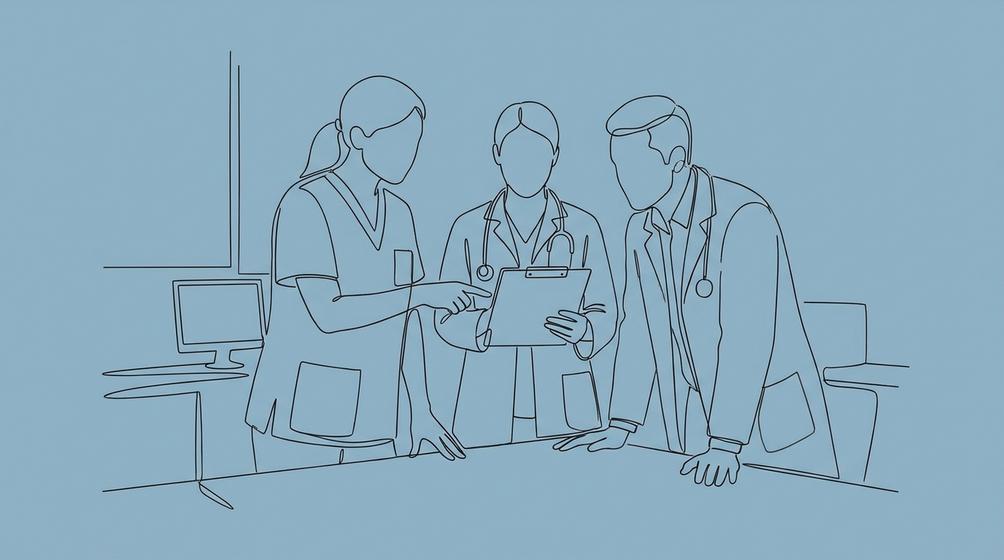
Beyond clinical tasks, hospice nurses act as crucial navigators within an interdisciplinary team (IDT). They coordinate care with physicians, social workers, spiritual counselors, and certified nursing assistants. This holistic approach ensures every aspect of a patient’s well-being—physical, emotional, and spiritual—is addressed, providing a complete circle of support for the patient and their loved ones.
The Emotional Reality and Profound Meaning
Working in hospice care involves a unique emotional landscape. While undoubtedly demanding, nurses in this field consistently report high levels of job satisfaction. This satisfaction stems from the profound meaning derived from comforting and supporting individuals during a vulnerable stage of life (Journal of Hospice & Palliative Nursing, 2023). The deep connections forged with patients and families become a primary reason many choose to remain in hospice care.
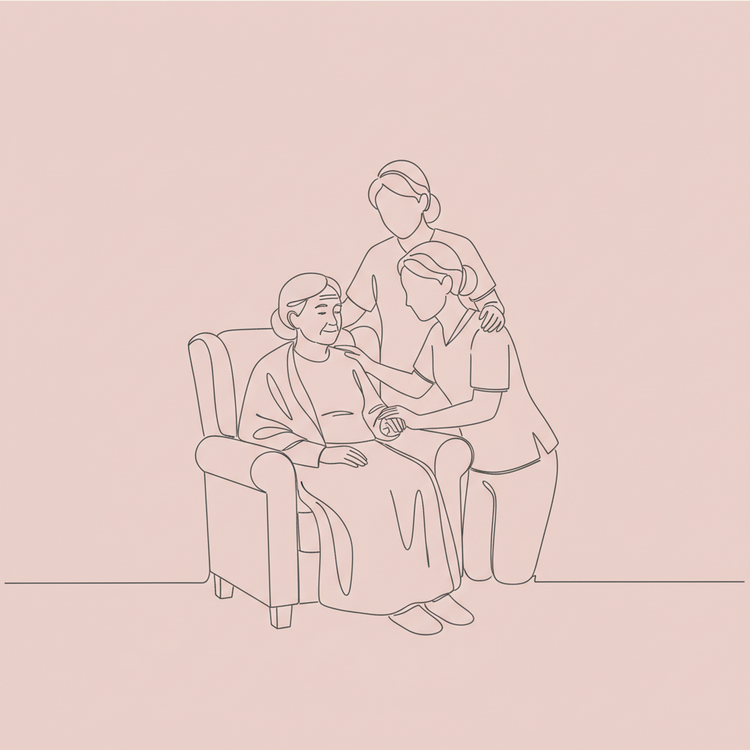
Hospice nurses witness immense courage, love, and resilience. They are privileged to be present for intimate moments, offering a calming presence and expert care. This human connection, born from trust and compassion, often outweighs the emotional weight, transforming challenges into opportunities for meaningful service.
Why Many Nurses Choose Hospice Over Hospital Roles
For many nurses transitioning from acute hospital settings, hospice care offers a profound shift in philosophy. The focus moves from aggressive, often futile, curative treatments to prioritizing comfort, dignity, and quality of life (NHPCO, 2024). This paradigm allows nurses to concentrate on compassionate presence, symptom management, and patient advocacy, aligning deeply with the core values that often draw individuals to nursing in the first place.
This shift empowers nurses to provide care that truly matters to patients and families, helping them achieve peace and comfort. Its about honoring wishes, ensuring dignity, and supporting a graceful journey, which many nurses find deeply fulfilling and a powerful reason not to return to the high-stress, often fragmented environment of hospital shift work.
Enhanced Autonomy and Team Collaboration
Hospice nurses often experience greater autonomy compared to their counterparts in acute care environments. They are empowered to make independent clinical judgments and implement interventions directly within diverse settings, from private homes to assisted living facilities. This increased independence is a significant draw, allowing nurses to tailor care plans more precisely to individual patient needs (Health Affairs, 2023).
Despite this autonomy, hospice nurses are never alone. They are backed by a robust 24/7 interdisciplinary team and clear protocols, ensuring immediate support and collaboration when complex situations arise. This balance of independence and continuous team support fosters confidence and allows for comprehensive, patient-centered care.
Work-Life Balance: A Different Rhythm
While hospice nursing requires significant dedication, many nurses report a better work-life balance compared to the demanding, often unpredictable nature of hospital shift work. Home-based care models, a common aspect of hospice, can offer more predictable schedules, though on-call duties are a typical part of the role (Beckers Hospital Review, 2024).
This improved balance is a significant factor in higher retention rates within the hospice field. Nurses appreciate the opportunity to provide dedicated, meaningful care without the constant grind of traditional hospital shifts, allowing for more personal time and preventing burnout.
Conclusion
Hospice nursing is a calling that offers profound professional and personal rewards. Its a field where compassion meets clinical expertise, where every day brings opportunities to make a tangible difference in the lives of patients and their families. Far from being solely about loss, its a testament to life, dignity, and the enduring power of human connection.
For nurses seeking a career that aligns deeply with their values of care and empathy, hospice nursing provides a unique path to serve with heart, skill, and unwavering dedication, ensuring that every moment truly matters.
If you are a nurse exploring a fulfilling career path where compassion and skilled care make a profound difference, we invite you to learn more about joining the ViaQuest Hospice team. We provide a supportive environment where your dedication to patient dignity and comfort is highly valued. Call us at +1 (937) 303-0593 or visit our careers page to explore current opportunities and discover how you can contribute to our mission of compassionate care. You can also download our Complete Guide to Hospice Care for comprehensive information about our services and the fulfilling work our team does.
Key Takeaways
- Hospice nurses provide comprehensive care, managing symptoms and coordinating with an interdisciplinary team to support patients and families holistically.
- The role, while emotionally demanding, offers deep job satisfaction through profound connections and the meaning derived from compassionate end-of-life care.
- Hospice nursing provides greater autonomy, a focus on comfort over curative treatments, and often a better work-life balance compared to traditional hospital roles.