

Hospice nursing is a path chosen by individuals with an extraordinary blend of clinical skill and heartfelt compassion. It’s a field often misunderstood, sometimes perceived as solely focused on the end, when in reality, it’s profoundly dedicated to enhancing the quality of life, comfort, and dignity in every remaining moment. For a ViaQuest Hospice nurse, each day is an opportunity to provide comprehensive care that extends beyond medical treatment, embracing emotional and spiritual support for patients and their families.
What truly draws nurses to hospice isn’t just a job; it’s a calling. It’s about being present, offering solace, and ensuring peace when it matters most. Let’s step into the shoes of a hospice nurse and explore the realities, challenges, and immense rewards that fill their days.
Morning Routine: Preparing for a Day of Compassionate Care
The day begins with a sense of purpose. A ViaQuest hospice nurse typically starts by reviewing their patient roster, familiarizing themselves with each individual’s unique care plan, recent changes, and any specific needs for the day. This preparation is crucial, as every patient’s journey is distinct.
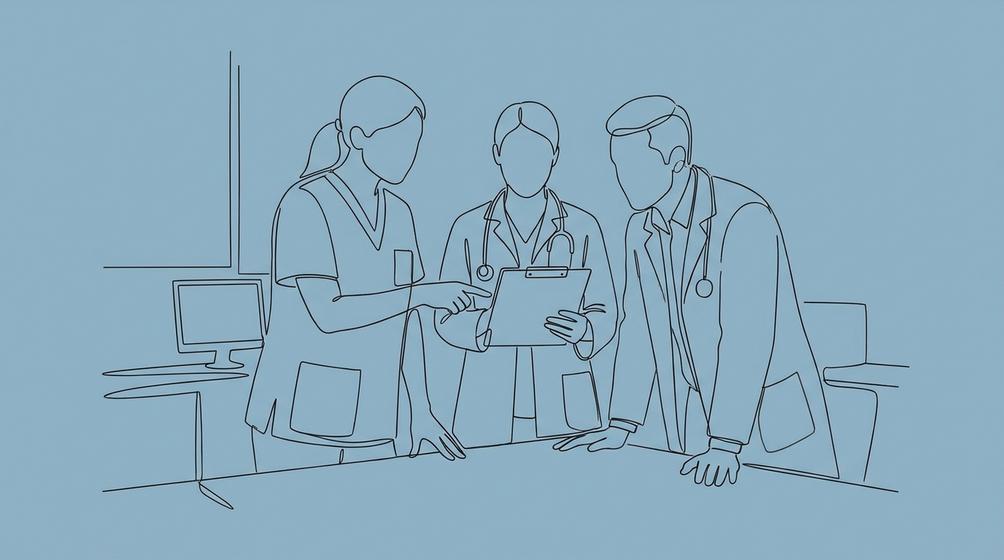
A vital part of the morning is the team huddle. Here, nurses collaborate with an interdisciplinary team—which may include physicians, social workers, spiritual counselors, and aides. This daily communication is essential for seamless care coordination, leveraging advanced communication tools and electronic health records (EHRs) to ensure everyone is aligned on patient needs and updates. This collaborative approach highlights the evolution of care coordination in modern hospice, ensuring holistic support for patients and their families.
Patient Home Visits: Where Care Comes to Life
Much of a hospice nurse’s day is spent visiting patients in their homes, which could be a private residence, an assisted living facility, or a nursing home. These visits are multifaceted, blending expert clinical care with deep emotional support.
Physical Assessments and Symptom Management
Upon arrival, the nurse performs thorough physical assessments, monitoring vital signs, checking for changes in condition, and meticulously managing symptoms. A primary focus is on pain control, utilizing medication adjustments and other comfort measures to ensure patients remain as comfortable as possible. This requires a sharp clinical eye and the ability to anticipate needs, ensuring that every patient lives with dignity and without unnecessary suffering.
Family Education and Emotional Support
Beyond the patient, hospice nurses are a cornerstone of support for families. During visits, they provide crucial education on medication administration, symptom recognition, and practical caregiving techniques. More importantly, they offer a compassionate presence, listening to fears, answering questions, and providing emotional reassurance. This connection helps families navigate the complex emotional landscape of end-of-life care, empowering them to participate actively in their loved ones’ comfort.
Clinical Interventions and Coordination
A hospice nurse’s responsibilities also include medication adjustments, often coordinating closely with physicians to ensure optimal symptom control. They may perform wound care, assist with personal care, and implement various comfort measures tailored to the patients’ preferences. Throughout the day, the nurse is often on the phone, coordinating with pharmacies for medication refills, consulting with physicians for orders, and communicating with other team members to ensure all aspects of the care plan are integrated.
Addressing Diverse Needs: Afternoon Challenges and Support
The afternoon often brings a variety of patient scenarios, each presenting unique challenges and requiring adaptable care. One visit might involve supporting a family through a sudden decline, while another might focus on routine symptom management for a patient enjoying a period of stability. Hospice nurses are adept at managing these diverse situations, always prioritizing the patients’ comfort and wishes.
Crisis Management and End-of-Life Support
Sometimes, a visit might involve crisis management—addressing an acute symptom flare-up or supporting a family during the active dying phase. These moments require immense composure, clinical expertise, and profound empathy. Nurses provide essential end-of-life support, guiding families through this sacred time with sensitivity, ensuring comfort, and respecting the patient’s final wishes.
Leveraging Technology for Enhanced Care
Modern hospice nursing increasingly integrates technology. The adoption of telehealth and remote patient monitoring tools allows nurses to offer flexible check-ins, provide education, and monitor symptoms from a distance, which is especially beneficial in rural areas. This technological advancement enhances access to care and provides an additional layer of support for patients and families.
The On-Call Reality and Work-Life Balance
Hospice care is a 24/7 commitment, and nurses participate in on-call rotations, responding to after-hours calls and making night visits when necessary. This aspect of the job can be demanding, but ViaQuest Hospice recognizes the importance of supporting its staff. Organizations are increasingly focusing on robust support systems, including peer support, counseling, and flexible scheduling, to mitigate burnout and promote long-term well-being among hospice nurses.
The Emotional Rewards: Finding Purpose
Despite the emotional demands, hospice nurses consistently report high levels of job satisfaction. This stems from the deep, meaningful connections forged with patients and families and the profound ability to provide comfort and dignity at life’s end. It’s a role where nurses truly witness the impact of their compassion, making a tangible difference in the most vulnerable moments. The emotional rewards are immense, solidifying why many choose and cherish this unique path.
Skills That Make a Great Hospice Nurse
Becoming an exceptional hospice nurse requires a unique combination of skills:
- Clinical Expertise: A strong foundation in nursing, particularly in symptom management, pharmacology, and wound care.
- Emotional Intelligence: The ability to understand and manage one’s own emotions, as well as perceive and influence the emotions of others. This is critical for connecting with patients and families.
- Communication: Exceptional verbal and non-verbal communication skills to convey complex information gently, listen actively, and provide reassurance.
- Adaptability and Resilience: The capacity to navigate rapidly changing patient conditions and emotionally charged situations while maintaining professional composure.
The demand for skilled hospice nurses is high due to an aging population and a growing understanding of hospice benefits, making it a stable and rewarding career path. ViaQuest Hospice supports its nurses with ongoing professional development and a strong team environment, fostering an atmosphere where nurses can truly thrive and grow.
Conclusion
A day in the life of a ViaQuest Hospice nurse is a testament to the power of compassion, skill, and human connection. It’s a demanding yet profoundly rewarding career that focuses on bringing comfort, peace, and dignity to patients and their families during life’s final chapter. For those called to this unique and vital work, it offers an unparalleled opportunity to find purpose in every act of care.
If you’re considering a career where every day offers profound purpose and the chance to make a tangible difference, or if your family is exploring compassionate care options, ViaQuest Hospice is here to guide you. Contact us at +1 (937) 303-0593 to learn more, or download our Complete Guide to Hospice Care for comprehensive information about services and support.
Key Takeaways
- Hospice nursing involves comprehensive care focused on enhancing quality of life, comfort, and dignity.
- Daily responsibilities include clinical assessments, symptom management, and crucial emotional and educational support for families.
- Hospice nurses find immense job satisfaction in forging meaningful connections and providing comfort during life’s end, despite the emotional demands.