

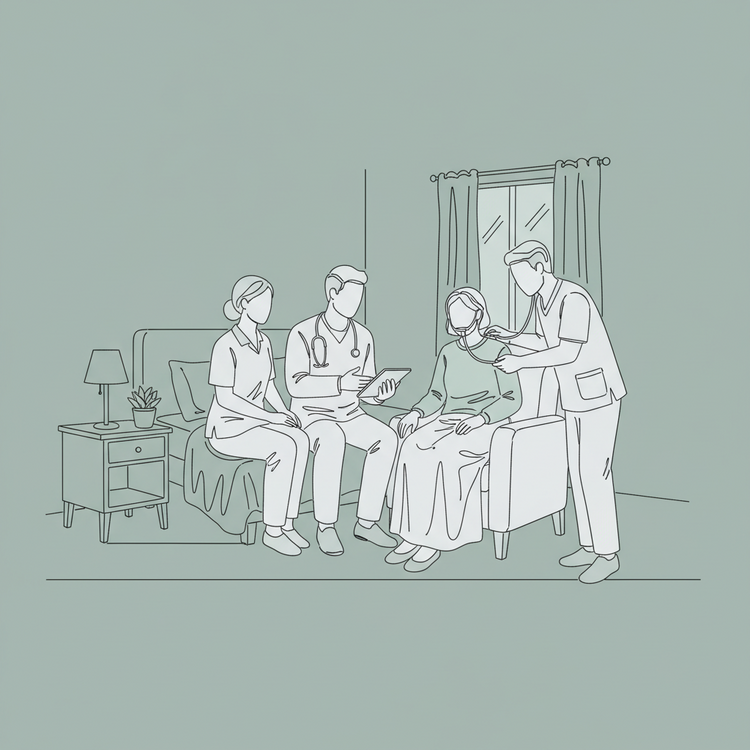
For many, a diagnosis of heart disease marks the beginning of a long journey—a path of treatments, medications, and lifestyle changes aimed at strengthening the heart and extending life. But the heart is a muscle, and over time, it can grow tired. When conditions like congestive heart failure (CHF) or severe coronary artery disease reach their final stages, the focus of care often needs to shift from fighting the disease to embracing comfort, dignity, and peace.
The progression of end-stage heart disease is often a slow, unpredictable series of ups and downs, which can make it difficult for families and even doctors to know when it’s time for hospice. Unlike the more linear decline seen in some illnesses, heart failure can involve periods of stability followed by sudden crises. This uncertainty is a primary reason that patients with heart failure often enter hospice later than others, if at all.
This article will help you understand the signs that it may be time for hospice care, explain the specific eligibility criteria, and explore how hospice can bring profound comfort and quality of life to someone living with end-stage heart disease.
Recognizing the Signs: When Is It Time for Cardiac Hospice Care?
The decision to consider hospice is deeply personal, but it’s often prompted by clear changes in a person’s health and well-being. While a physician makes the official determination, families are usually the first to notice the signs that curative treatments are no longer providing the desired quality of life.
Key indicators that it may be time to explore hospice include:
- Persistent Symptoms at Rest: The most significant sign is experiencing symptoms like shortness of breath (dyspnea), chest pain (angina), or extreme fatigue even while sitting or lying down. When these symptoms are no longer relieved by standard medical treatments, it signals the heart is severely weakened.
- Frequent Hospitalizations: A pattern of recurring emergency room visits or hospital stays for cardiac symptoms is a strong indicator that the disease is advancing beyond what current treatments can manage effectively at home.
- Significant Decline in Function: The person may no longer be able to perform simple daily tasks like dressing, bathing, or walking a short distance without becoming exhausted or breathless. They may spend most of their day in a chair or bed.
- Failure of Optimal Medical Management: Despite using diuretics, vasodilators, and other cardiac medications, the patient continues to experience debilitating symptoms.
Understanding the Formal Hospice Eligibility Criteria
For a patient to be admitted to hospice under Medicare, a physician must certify that they have a life expectancy of six months or less if the disease runs its expected course. The Centers for Medicare & Medicaid Services (CMS) provides specific guidelines to help doctors determine eligibility for patients with heart disease.
The primary criteria include:
- The patient is already taking optimal medication for their condition but continues to decline.
- The patient has been designated as New York Heart Association (NYHA) Class IV. This medical classification simply means that symptoms like shortness of breath and fatigue are present even at rest, and any physical activity increases discomfort.
In addition, supporting factors help confirm eligibility. While not all are required, they paint a clearer picture of end-stage disease. These can include an ejection fraction (EF) of 20% or less, which measures how effectively the heart is pumping, a history of cardiac arrest or resuscitation, or unexplained fainting spells (syncope). The American Academy of Hospice and Palliative Medicine provides detailed guidance on these clinical markers.
How Hospice Helps: A Focus on Comfort, Dignity, and Peace
When a patient with heart disease enters hospice care, the goal shifts entirely from cure to comfort. This doesn’t mean giving up; it means redefining hope as hope for a peaceful, comfortable, and meaningful end-of-life journey. The hospice team is specially trained to manage the complex symptoms of cardiac disease.
Here’s how hospice provides support:
- Expert Symptom Management: Hospice nurses excel at managing the most distressing cardiac symptoms. Low-dose morphine can ease the feeling of breathlessness, while carefully managed diuretics can reduce painful fluid retention (edema) in the legs and abdomen. Pain, anxiety, and fatigue are all addressed with a combination of medication and compassionate support.
- Reducing Hospital Visits: By providing expert care and responsive support in the patient’s home, hospice helps break the exhausting cycle of 911 calls and emergency room visits, allowing the patient to rest in a familiar, comfortable environment.
- Medication and Treatment Review: The hospice team reviews all medications and treatments. The focus becomes de-prescribing—discontinuing drugs that are aimed at long-term survival but now cause side effects that diminish quality of life. This also includes sensitive but vital conversations about deactivating implantable cardioverter-defibrillators (ICDs) to prevent them from delivering painful shocks in a person’s final days.
- Family Education and Support: Hospice provides invaluable guidance to families, helping them understand what to expect as the illness progresses. Caregivers receive training on how to provide care, as well as emotional and spiritual support to manage their own stress and grief.
The Bridge from Palliative Care to Hospice
The unpredictable nature of heart failure has led to a growing emphasis on integrating palliative and supportive care much earlier in a patient’s journey. Palliative care can be provided at any stage of a serious illness and helps manage symptoms and facilitate crucial conversations about goals of care long before hospice is needed.
These early conversations about advance care planning ensure that a patient’s wishes are known and respected. When the time for hospice eventually comes, the transition is often smoother and less stressful for both the patient and their family, because the groundwork for comfort-focused care has already been laid.
Navigating the complexities of end-stage heart disease can feel overwhelming. If you believe your loved one could benefit from care focused on comfort and dignity, our compassionate team is here to guide you. For a personal conversation about cardiac hospice care eligibility and support, please call ViaQuest Hospice at 855.289.1722. You can also gain a deeper understanding by downloading our Complete Guide to Hospice Care, which offers comprehensive information for families like yours.
Choosing hospice for end-stage heart disease is a profound act of love. It is a choice to prioritize peace over pain, to honor a lifetime of moments by ensuring the final ones are spent with comfort, surrounded by care, and filled with dignity.
Key Takeaways
- Hospice is an appropriate choice when heart disease symptoms, like shortness of breath and fatigue, persist even at rest and significantly impact daily life.
- The primary goal of cardiac hospice is to manage symptoms, reduce suffering, and prevent stressful hospital visits, allowing the patient to remain comfortable at home.
- Formal eligibility is based on specific clinical signs, such as NYHA Class IV status, and a doctor’s assessment that the focus of care should shift from cure to comfort.