
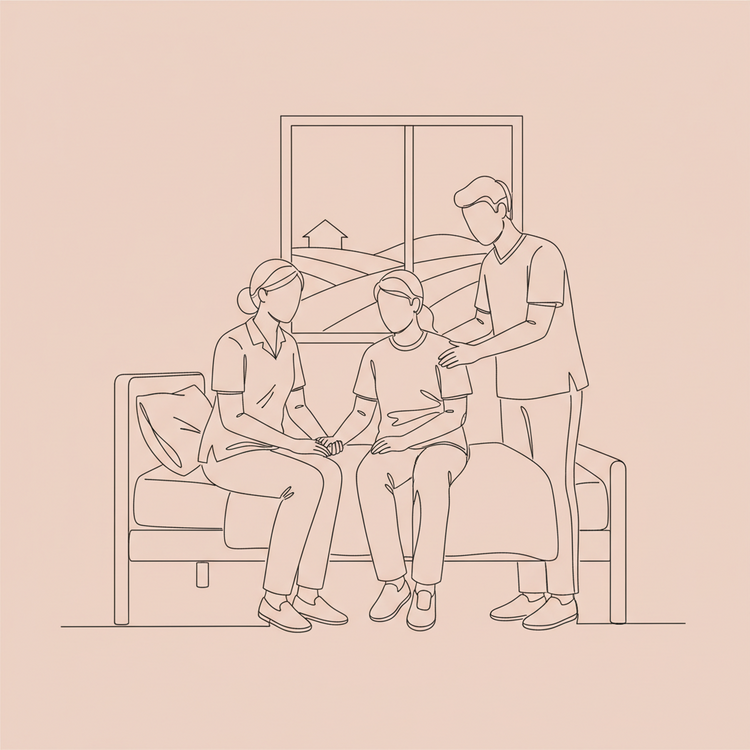
For many, the wish to spend their final moments at home is a profound one—surrounded by familiar sights, sounds, and memories. In rural communities, this desire is often intertwined with a deep connection to the land and a close-knit community. However, accessing comprehensive, compassionate hospice care in these areas presents a unique set of challenges, from vast distances to limited resources.
At ViaQuest Hospice, we are deeply committed to ensuring that families in the countryside and remote areas of Ohio, Indiana, and Pennsylvania receive the same high-quality, dignified end-of-life care as those in urban centers. This means overcoming obstacles with creative, community-focused solutions.
This article explores the realities of rural hospice care, from the logistical hurdles of travel and technology to the incredible power of local partnerships in delivering comfort and peace when it matters most.
Overcoming the Miles: Staffing and Travel in Rural Regions
The single greatest challenge in providing rural hospice care is the persistent shortage of qualified clinicians. In a recent survey, 81% of hospice leaders cited staffing as their top concern, an issue that is magnified in areas with smaller labor pools. For a dedicated hospice nurse, serving a rural territory means spending significant time on the road, traveling long distances between patient homes.
These extended travel times not only increase operational costs like fuel and vehicle maintenance but can also impact the frequency of visits. Despite these hurdles, our care teams are driven by a mission to connect with patients wherever they call home. Every mile traveled is a testament to the belief that no one should be denied compassionate end-of-life support because of their zip code.
Technology as a Lifeline: Telehealth and Its Limits
To supplement in-person visits, technology has become an invaluable tool. Telehealth allows for virtual check-ins, symptom management consultations, and emotional support for both patients and caregivers between scheduled nursing visits. This “hybrid” model of care, blending hands-on visits with virtual support, helps families feel connected and reassured.
However, technology is not a perfect solution. Many remote areas suffer from a “digital divide” with unreliable or nonexistent broadband internet, making video calls impossible. While we adapt with phone calls and remote monitoring where possible, this highlights the ongoing need for policy and infrastructure improvements to ensure equitable access for all.
The Strength of Community: Partnerships in Rural Care
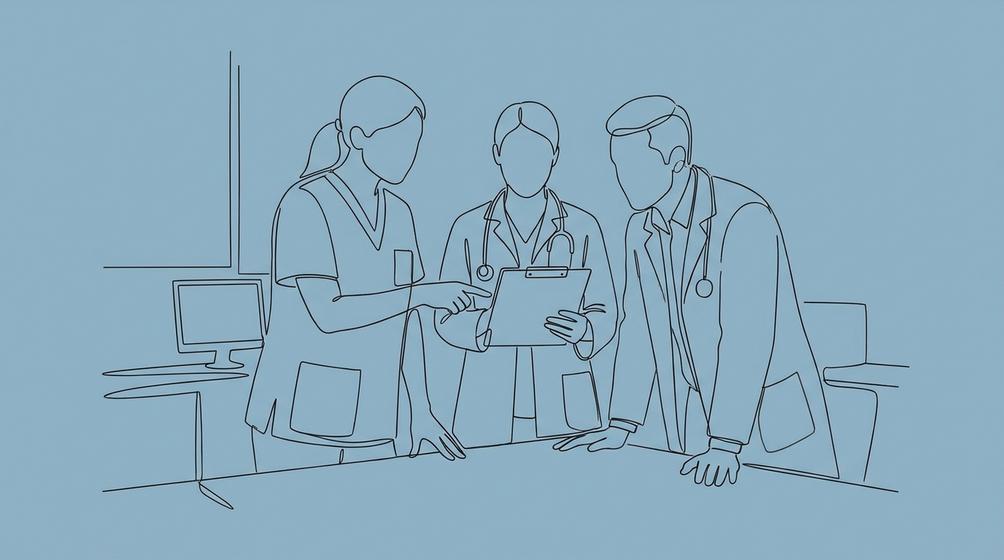
Successful rural hospice care is not delivered in isolation; it is woven into the very fabric of the community. Building strong, trusting relationships with local providers is essential. We collaborate closely with rural health clinics, local physicians, and small-town pharmacies to coordinate care, ensure timely medication delivery, and create a seamless support system for our patients.
Furthermore, volunteer networks are the heart of rural hospice support. Members of local churches, community organizations, and neighborhood groups often provide invaluable non-medical assistance, from running errands and offering companionship to providing respite for exhausted family caregivers. This spirit of neighbors helping neighbors is a powerful force for comfort and connection.
Navigating Logistics: From Equipment to Emergency Plans
Providing care in a remote setting requires meticulous planning. Delivering essential medical equipment, such as a hospital bed or oxygen concentrator, to a secluded farmhouse involves different logistics than a suburban home. We work with specialized suppliers to ensure every patient has what they need for comfort and safety.
Emergency planning is also critical. When the nearest hospital may be an hour or more away, proactive symptom management becomes paramount. Our nurses focus on educating families to recognize early warning signs and manage symptoms effectively at home, reducing the need for stressful, long-distance hospitalizations and reducing disparities in care access.
For families in rural communities exploring their options, understanding how hospice care can adapt to your unique setting is the first step. To learn more about our services in your area, please call our compassionate care team at (855) 289-1722. You can also download our Complete Guide to Hospice Care for comprehensive information on navigating this journey with dignity and support.
Key Takeaways
- Workforce shortages and long travel distances are the most significant barriers to delivering hospice care in remote areas.
- Telehealth can bridge gaps in care but is often limited by poor internet connectivity in rural regions, making it an imperfect solution.
- Strong partnerships with local clinics, pharmacies, and community volunteer networks are essential for providing comprehensive and compassionate rural hospice support.