

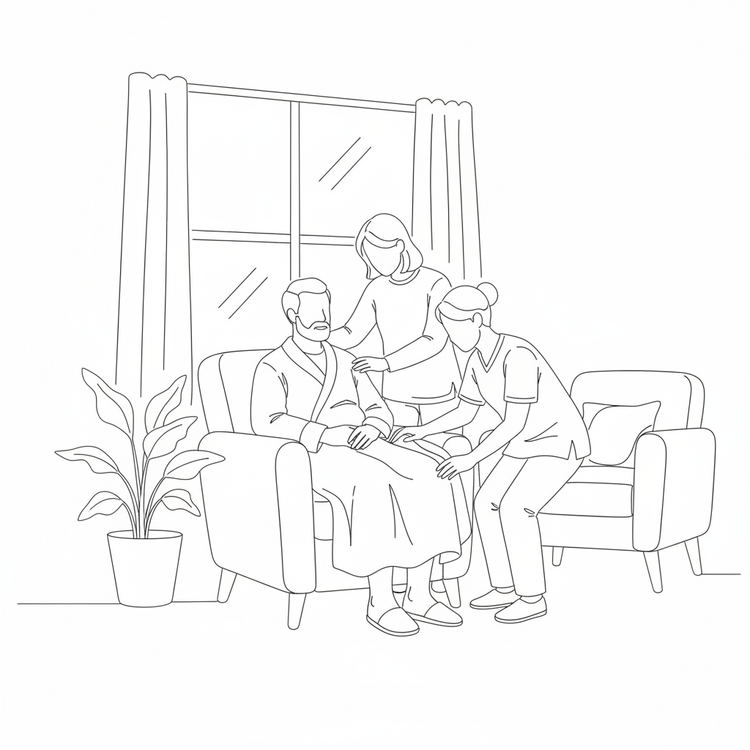
For those who have served our country, independence and self-reliance are often deeply ingrained values. After a lifetime of service and discipline, the desire to remain in the comfort and familiarity of one’s own home is a powerful one, especially when facing a serious chronic illness. It’s a final tour of duty on their own terms, surrounded by the people and memories they cherish most.
At ViaQuest Hospice, we understand that providing end-of-life care for veterans is about more than managing symptoms; it’s about honoring a legacy. This guide explores why home-based hospice is a meaningful choice for veterans, how to navigate the unique challenges they face, and how compassionate care can create a peaceful environment that respects their service.
Understanding Service-Connected Chronic Illnesses
A veteran’s health profile is often uniquely shaped by their military service. The challenges they face at the end of life can be directly linked to their duties and exposures. As a study in the Journal of Palliative Medicine highlights, military-related experiences can significantly complicate symptom management, requiring a specialized and informed approach to care.
Common conditions we see include:
- Cancers and other diseases linked to Agent Orange exposure in Vietnam veterans.
- Complex, medically unexplained symptoms known as Gulf War Illness, which can include chronic fatigue, joint pain, and cognitive issues, as documented by the Department of Veterans Affairs.
- Post-Traumatic Stress Disorder (PTSD), which can resurface or intensify with a terminal diagnosis, influencing pain perception and emotional well-being.
- Higher rates of certain chronic respiratory and cardiovascular diseases connected to various service eras.
Why Home-Based Hospice Care is a Powerful Choice for Veterans
For many veterans, a hospital or institutional setting can feel confining and may even trigger past trauma. The home environment offers a sanctuary where they can retain a sense of control and dignity. Being in a familiar space reduces anxiety and allows for routines to be maintained, which provides stability and comfort.
Home-based hospice care empowers veterans to make decisions about their daily lives, surrounded by their personal history and the family they fought to protect. This setting minimizes potential triggers common in clinical environments, creating a more peaceful and secure atmosphere for their final chapter.
Comprehensive Home Hospice Services for Veterans
ViaQuest is committed to bringing comprehensive, veteran-centric care directly to the homes of those who have served. As a proud partner in the We Honor Veterans program, we are trained to address the specific needs of military families. Our services include:
- 24/7 Nursing Support: A dedicated team of nurses is always available to manage pain, administer medications, and respond to any medical needs that arise, ensuring comfort and safety around the clock.
- Medical Equipment and Supplies: We provide and set up all necessary equipment, such as a hospital bed, oxygen, and mobility aids, to make the home safe, comfortable, and fully equipped for high-quality care.
- Veteran-to-Veteran Volunteers: We connect veteran patients with trained volunteers who are also veterans. This unique peer support creates an immediate bond of shared understanding and camaraderie, allowing for conversations and connections that are deeply meaningful.
Navigating VA and Medicare Benefits for Home Hospice
One of the most significant challenges for military families is coordinating benefits. According to the U.S. Department of Veterans Affairs, enrolled veterans must formally elect either their VA hospice benefit or the Medicare Hospice Benefit—they cannot be used at the same time for hospice services. This choice can be confusing, but you don’t have to figure it out alone.
The ViaQuest team is experienced in navigating this system. We work directly with the VA to coordinate care, manage the necessary documentation, and ensure you are maximizing the benefits you have earned. Our goal is to handle the paperwork so you can focus entirely on your loved one.
Supporting the Unseen Heroes: Veteran Family Caregivers
Family caregivers for veterans often carry an immense responsibility. Research from the Elizabeth Dole Foundation shows that military caregivers face higher levels of stress, financial strain, and isolation than their civilian counterparts. They are often managing complex medical tasks while navigating the emotional weight of their loved one’s illness and military history.
Our support extends to the entire family. We provide respite care to give caregivers a much-needed break, offer training on how to provide care safely and confidently, and connect them with support groups to share experiences and find strength in community.
Creating a Home Environment that Honors Service
Bringing hospice care home is an opportunity to create a space that reflects and honors a veteran’s life and service. Maintaining routines and independence is paramount. Simple, respectful touches can make a profound difference:
- Displaying medals, commendations, or a folded flag with dignity.
- Placing service photos in a prominent place to spark conversation and remembrance.
- Playing music from their era of service or watching their favorite military movies.
These small acts preserve identity and affirm that their service will always be a valued part of who they are.
For veterans and their families exploring compassionate end-of-life care that honors a lifetime of service, the ViaQuest Hospice team is here to help. We provide the expertise to manage complex illnesses and the understanding to care for the person who wore the uniform. To learn more about our specialized veteran hospice program, please call us at 855.289.1722.
You can also download our Complete Guide to Hospice Care for comprehensive information about the services and support available to your family.
Key Takeaways
- Veterans often have unique chronic illnesses related to their military service, requiring specialized end-of-life care.
- Home-based hospice care provides veterans with a sense of control, dignity, and a peaceful environment free from potential triggers.
- Navigating VA and Medicare hospice benefits can be complex, and experienced hospice teams can help coordinate care and ensure all earned benefits are utilized.