

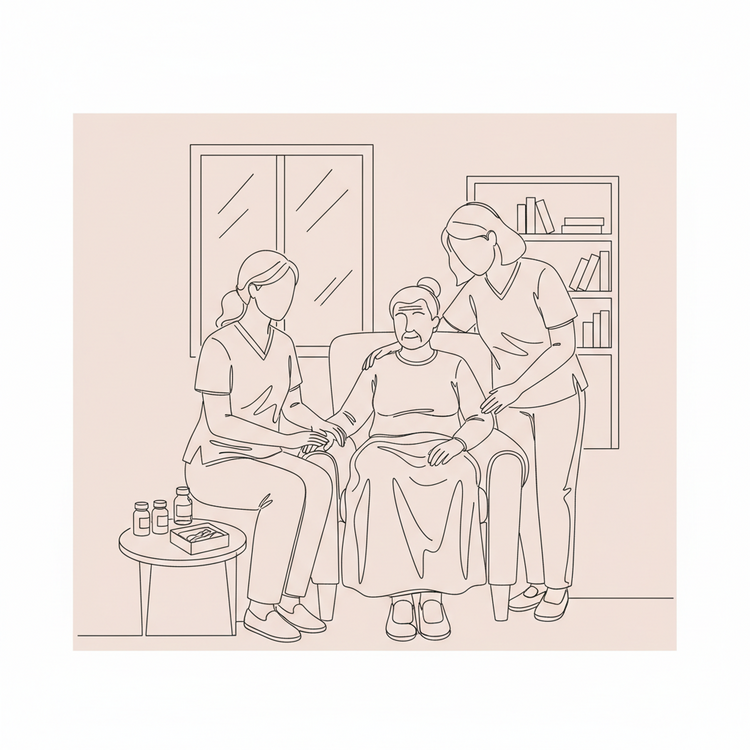
When a loved one begins hospice care, the entire approach to their medical treatment gently shifts. The goal is no longer to cure an illness but to provide comfort, preserve dignity, and ensure the highest possible quality of life for the time they have left. A central part of this transition involves medication management, which can look very different from the curative treatments families are used to.
This new focus can bring up many questions and even some anxiety. Why are some medications started while others are stopped? Are pain medications safe? Understanding the compassionate philosophy behind hospice pharmacology can empower families and bring peace of mind during a challenging time.
This article will explore the goals of comfort care prescriptions, explain common medications used, clarify why some drugs may be discontinued, and address common fears about pain management in hospice.
The Philosophy of Comfort-Focused Medication
In hospice, every decision is guided by the patient’s comfort. Instead of treating the underlying disease, the medical team focuses on managing its symptoms. Research confirms that distressing symptoms are common at the end of life, with over 50% of patients experiencing pain and up to 70% reporting dyspnea (shortness of breath). The medication plan is therefore designed to directly address these challenges.
This philosophy has two main components: prescribing what is needed and discontinuing what is not. The hospice team—including a physician, nurse, and pharmacist—works together to create a regimen that effectively manages symptoms with the fewest possible side effects. The goal is a simplified, effective plan that enhances peace and well-being.
Common Medications That Bring Comfort
While every patient’s needs are unique, a few key medications are frequently used to manage the most common end-of-life symptoms. These are the cornerstones of comfort care.
For Pain and Shortness of Breath: Opioids, most commonly morphine, are the gold standard for treating moderate to severe pain and the feeling of breathlessness. When dosed and managed by a skilled hospice team, these medications are safe and highly effective. They work by changing how the brain perceives pain and can relax the body to ease breathing.
For Anxiety and Agitation: It is common for patients to experience anxiety or restlessness. Medications like lorazepam (Ativan) are gentle sedatives that can calm the mind, ease agitation, and help the patient rest peacefully. They are essential for managing emotional and psychological distress.
For Nausea and Secretions: Nausea can significantly impact a person’s quality of life. Medications like haloperidol can control nausea and vomiting. As a person nears the end of life, they may have difficulty managing oral secretions. Drugs like atropine drops can be used to dry these secretions, making swallowing more comfortable and breathing quieter.
Letting Go: Why Some Medications Are Discontinued
Just as important as starting comfort medications is stopping those that no longer serve the patient. This process is known as “deprescribing.” Many long-term medications, such as statins for cholesterol, certain blood pressure pills, or vitamins, are designed for long-term prevention. In hospice, these often provide little benefit and may even cause unwanted side effects like dizziness or an upset stomach.
As one study in the Journal of Palliative Medicine highlights, deprescribing is a key clinical practice aimed at reducing the overall medication burden. By discontinuing non-essential drugs, the hospice team simplifies the daily routine for caregivers and eliminates potential negative side effects, further enhancing the patient’s comfort.
Understanding Morphine: Myths vs. Truths
For many families, the word “morphine” can trigger fear of addiction or concerns about hastening death. It’s crucial to separate the myths from the reality of its use in hospice care.
Myth: Giving a patient morphine will cause addiction.
Truth: When used to treat physical pain in a terminally ill patient, the risk of addiction is virtually non-existent. The body uses the medication to block pain signals, not to create a “high.” The focus is entirely on relieving suffering.
Myth: A dose of morphine will hasten death.
Truth: This is one of the most persistent and unfounded fears. The National Institute on Aging emphasizes that when dosed correctly, opioids do not speed up the dying process. Uncontrolled pain and shortness of breath cause immense stress on the body; by relieving these symptoms, morphine allows the body to rest and can actually improve the patient’s quality of life.
How Hospice Makes Medication Management Easier
The hospice team provides comprehensive support to ensure medication is managed safely and effectively at home.
The Hospice Comfort Kit: Most hospice agencies provide a small box of medications to keep in the home for urgent needs. This emergency kit, or “comfort kit,” contains small doses of the medications mentioned above to quickly address a sudden onset of pain, anxiety, or breathing trouble. It prevents late-night crises and helps avoid unnecessary and stressful trips to the hospital.
Flexible Administration Routes: As a patient weakens, swallowing pills can become difficult or impossible. Hospice nurses are prepared for this and can provide medications in other forms, such as concentrated liquids given under the tongue (sublingual), patches on the skin, or suppositories. This ensures the patient can continue to receive needed comfort without distress.
Family Education and Support: A hospice nurse will teach the family how and when to administer routine and as-needed medications. They are available 24/7 by phone to answer questions and provide guidance, empowering caregivers to be confident participants in their loved one’s care.
At ViaQuest Hospice, we believe that managing medications is about more than just prescriptions; it’s about listening to the patient, understanding the family’s concerns, and using medical expertise to ensure every moment is as peaceful and comfortable as possible. Our interdisciplinary team works closely with families to demystify the process and provide unwavering support.
If you have questions about comfort medications or how hospice can support your family’s journey, our compassionate team is here to provide clear answers and guidance. Call ViaQuest Hospice at +1 (937) 303-0593 to speak with one of our care experts. You can also download our Complete Guide to Hospice Care for more in-depth information. For ongoing support and stories of compassion, we invite you to sign up for The Compassion Chronicle newsletter.
Key Takeaways
- The primary goal of medication in hospice shifts from curing disease to managing symptoms and maximizing comfort.
- Deprescribing, or stopping non-essential medications, is just as important as starting new ones to reduce side effects and simplify care.
- Opioids like morphine are safe and effective tools for managing pain and shortness of breath; when used properly, they do not hasten death but instead improve quality of life.