

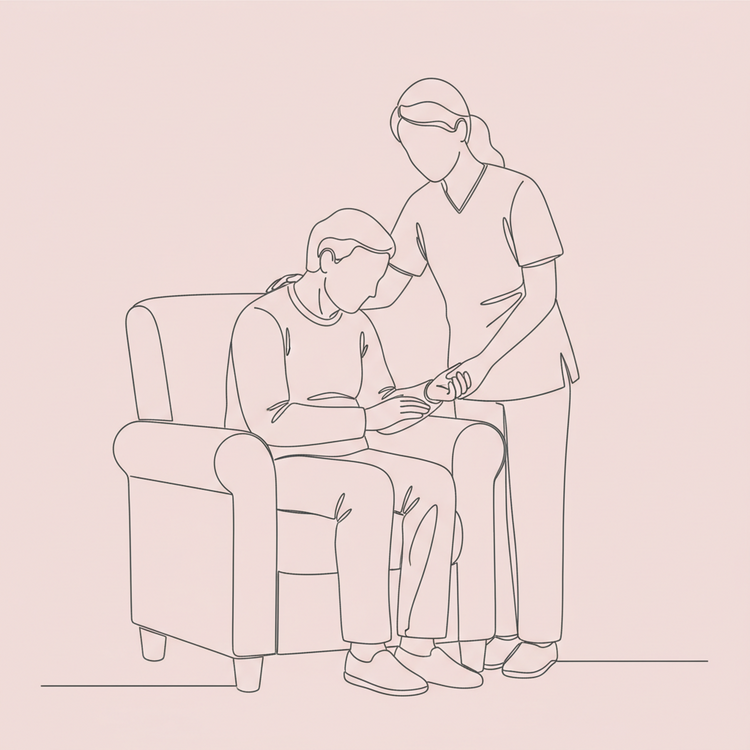
Living with Parkinson’s disease involves navigating a complex and often unpredictable journey. As the condition progresses, families frequently face difficult decisions about care, seeking ways to ensure comfort and dignity for their loved ones. Understanding when to consider hospice care is a crucial step in this journey, shifting the focus from curative treatments to specialized comfort and support when every moment matters most.
Hospice care offers a compassionate approach, addressing not just the physical symptoms of advanced Parkinson’s but also the emotional, social, and spiritual needs of both the patient and their family. This article will explore the key indicators that suggest it might be time for hospice, the comprehensive support available, and the importance of planning ahead to ensure a peaceful transition.
Understanding Late-Stage Indicators for Hospice Eligibility
As Parkinson’s disease progresses into its advanced stages, certain signs become apparent, signaling that a shift toward comfort-focused care may be beneficial. These indicators often suggest that the disease is significantly impacting daily life and that the patient’s prognosis may align with hospice eligibility criteria, typically six months or less if the disease runs its expected course. Key signs to look for include substantial functional decline, such as severe immobility leading to frequent falls, or the need for extensive assistance with daily activities.
Other critical indicators include severe dysphagia (difficulty swallowing), which can lead to aspiration pneumonia or nutritional deficiencies. Significant communication difficulties, such as a loss of speech, also point towards advanced progression. Recurrent infections and the onset of cognitive impairment or dementia are further signals that the disease has reached a stage where comprehensive comfort care becomes paramount (Parkinsons Foundation), (National Hospice and Palliative Care Organization).
Changes in Medication Response and What They Mean
For many years, medications like levodopa have provided significant relief for Parkinson’s symptoms. However, in the advanced stages of the disease, the effectiveness of these standard treatments often diminishes. Patients may experience increased off periods, where medication benefits wear off quickly, leading to more pronounced motor fluctuations and dyskinesias (involuntary movements). These challenges become increasingly difficult to manage with conventional therapies alone (Journal of Parkinsons Disease, 2023). When medications no longer provide the expected comfort or their side effects outweigh their benefits, it’s a strong indication that a shift to palliative and hospice care, focused on overall well-being and symptom control, could offer a better quality of life.
Managing Symptoms and Caregiver Strain with Hospice Support
Hospice care offers a holistic approach to symptom management for individuals with advanced Parkinson’s disease. Beyond addressing motor symptoms like tremors and rigidity, the multidisciplinary hospice team focuses on pervasive non-motor challenges, which can include chronic pain, anxiety, depression, sleep disturbances, constipation, and autonomic dysfunction. Specialized palliative interventions are designed to enhance comfort and improve the patients’ overall quality of life when curative treatments are no longer effective (Hospice News, 2024).
Equally vital, hospice services provide invaluable support for caregivers, who often face immense physical and emotional demands. Caring for someone with advanced Parkinson’s can lead to significant strain. Hospice teams offer respite care, professional guidance, education on symptom management techniques, and emotional counseling, all of which help to alleviate caregiver burnout and promote family well-being (National Institute of Neurological Disorders and Stroke (NINDS), 2022). This comprehensive support system ensures that both patients and their families receive the compassionate care they need during a challenging time.
Planning Ahead to Avoid Crisis Transitions
Proactive discussions about end-of-life wishes and advance care planning are incredibly important for individuals with Parkinson’s disease and their families. Initiating these conversations early allows patients to articulate their goals of care, preferences for medical interventions, and desires for comfort, ensuring that their autonomy is respected throughout their journey (Medicare.gov, 2023). This foresight helps to avoid crisis-driven transitions to hospice, which can be stressful and chaotic for everyone involved.
By planning ahead, families can ensure that the care provided aligns seamlessly with the patient’s values and wishes, fostering peace of mind and allowing for a more serene and dignified experience. There is a growing recognition of the benefits of integrating palliative care earlier in the disease trajectory to manage symptoms proactively and enhance overall quality of life, underscoring the value of early planning (Health Affairs, 2023).
Recognizing when it’s time for hospice care in Parkinson’s disease is a deeply personal decision, guided by evolving symptoms and a desire for comfort and dignity. Hospice provides a unique blend of medical, emotional, and spiritual support, ensuring that patients receive the specialized care they need while offering vital relief and guidance to their families. By focusing on quality of life and comprehensive symptom management, hospice helps individuals live their remaining time with peace and respect.
If you or a loved one are navigating the complexities of advanced Parkinson’s disease and seeking compassionate support, ViaQuest Hospice is here to help. Our dedicated team provides specialized comfort care designed to honor your choices and enhance your well-being. Please call us at +1 (937) 303-0593 for guidance and support. You can also download our Complete Guide to Hospice Care for comprehensive information about services and support available to patients and their families.
Key Takeaways
- Late-stage Parkinson’s indicators for hospice include severe immobility, dysphagia, communication loss, and recurrent infections.
- Diminishing effectiveness of Parkinsons medications often signals a need to shift focus to comfort-centered hospice care.
- Hospice offers comprehensive symptom management for both motor and non-motor issues, significantly reducing caregiver strain.