

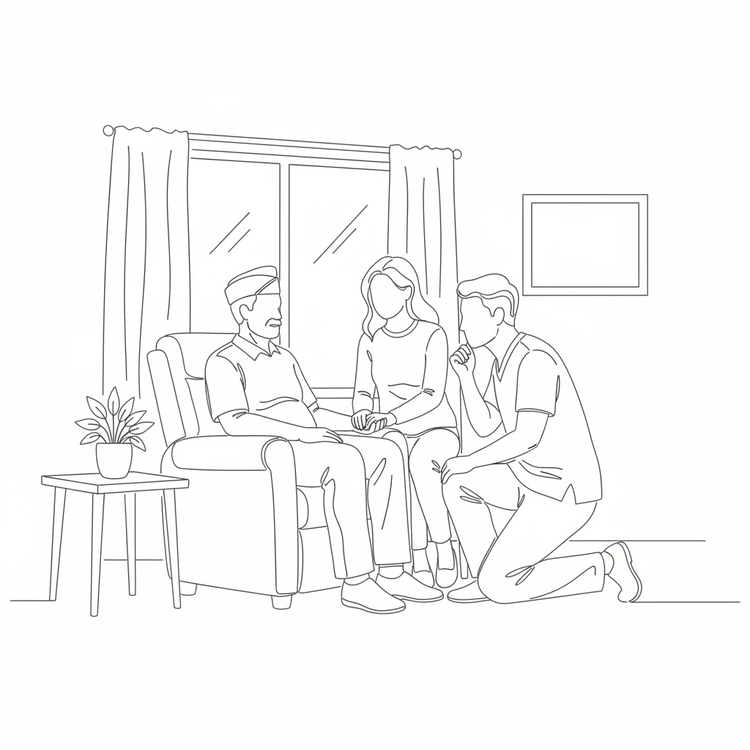
For a veteran who has experienced the trauma of combat, the end-of-life journey can be uniquely challenging. The physical and emotional vulnerabilities that accompany serious illness can bring long-dormant memories and anxieties to the surface, creating profound distress for both the veteran and their family. Understanding the connection between Post-Traumatic Stress Disorder (PTSD) and end-of-life care is the first step toward providing the compassion, dignity, and peace they have earned.
Hospice care for veterans is not just about managing physical symptoms; it’s about honoring their life story, acknowledging their service, and addressing the invisible wounds they may carry. This article explores how PTSD can manifest in aging veterans at the end of life and how a specialized, trauma-informed approach to hospice can make all the difference.
How PTSD Can Resurface at the End of Life
Post-Traumatic Stress Disorder is a mental health condition triggered by a terrifying event. For many veterans, this includes combat exposure, military sexual trauma, or other harrowing experiences during their service. While some live with diagnosed PTSD for decades, a significant number of older veterans, particularly from the Vietnam era, may have undiagnosed or subclinical symptoms that suddenly intensify when they face a serious illness.
The U.S. Department of Veterans Affairs (VA) notes that the dying process itself can trigger or worsen PTSD symptoms. This happens because many aspects of declining health mirror the traumatic experiences of war:
- Loss of Control: Depending on others for personal care can feel like a loss of independence and control, echoing feelings of helplessness experienced during combat.
- Physical Symptoms: Pain, difficulty breathing, or feeling confined to a bed can trigger memories of past injuries or being trapped.
- Hypervigilance: The sounds of medical equipment, alarms, or even the routine of caregiver visits can disrupt a veteran’s sense of safety, leading to heightened anxiety and a constant state of being on guard.
- Trust Issues: For those with a history of trauma, trusting new caregivers with intimate personal care can be incredibly difficult, sometimes leading to agitation or withdrawal.
What Trauma-Informed Hospice Care Means in Practice
To meet the unique needs of veterans, hospice providers are increasingly adopting a model known as Trauma-Informed Care (TIC). This approach involves a fundamental shift in perspective, moving from asking, “What’s wrong with you?” to respectfully asking, “What happened to you?” It acknowledges that a veteran’s behaviors and reactions are often normal responses to abnormal experiences.
As detailed in publications like the Journal of Palliative Medicine, trauma-informed hospice care includes several key practices:
- Creating a Safe Environment: This involves managing the physical space to reduce triggers. It can be as simple as controlling noise levels, offering a private room, asking permission before touching, or ensuring the veteran isn’t facing a door with their back exposed.
- Building Trust Through Communication: Care teams must communicate clearly, honestly, and consistently. This includes explaining all actions and medications, listening without judgment, and respecting the veteran’s need for personal space.
- Restoring Choice and Control: Whenever possible, veterans should be given choices in their daily care. This could involve scheduling medication times, choosing what to wear, or deciding when to have visitors. These small acts of empowerment can restore a sense of agency.
- Honoring Military Service: Respectfully asking about their military experience allows veterans to share their stories on their own terms. It creates an opportunity for pride and validation, which is a core tenet of programs like the National Hospice and Palliative Care Organization’s We Honor Veterans program.
Specialized Support Systems for Veterans
A trauma-informed approach is most effective when it includes support systems that understand a veteran’s unique culture and experiences. These specialized services are critical for building the foundation of trust needed for effective end-of-life care.
One of the most powerful interventions is veteran-to-veteran peer support. As highlighted by industry experts, a volunteer who is also a veteran can connect on a level that others cannot. They share a common language and an unspoken understanding of service, which can break through barriers of isolation and mistrust. This unique bond can be a source of profound comfort and camaraderie.
In addition, specialized mental health counseling and chaplain services are vital. Chaplains trained in moral injury—the spiritual or emotional wound that can result from experiences that transgress deeply held moral beliefs—can help veterans process complex feelings of guilt, shame, or anger, facilitating a more peaceful end-of-life transition.
For veterans and military families seeking hospice care that honors service and understands the complexities of PTSD, the team at ViaQuest is here to help. Our approach is rooted in compassion and respect for what you’ve experienced. To learn more about our trauma-informed services, call us at +1 (937) 303-0593. You can also download our Complete Guide to Hospice Care for more information.
Providing end-of-life care for a veteran with PTSD is a sacred responsibility. It requires more than medical expertise; it demands empathy, patience, and a commitment to seeing the person behind the patient. By creating an environment of safety, trust, and respect, we can honor their service one final time, ensuring their last chapter is one of peace and dignity.
Key Takeaways
- End-of-life experiences, such as loss of control and physical dependency, can trigger or intensify PTSD symptoms in veterans.
- Trauma-Informed Care is a clinical standard that focuses on creating safety, building trust, and giving veterans choices to restore a sense of control.
- Specialized support, including veteran-to-veteran volunteers and chaplains trained in moral injury, is essential for providing effective and compassionate end-of-life care.