

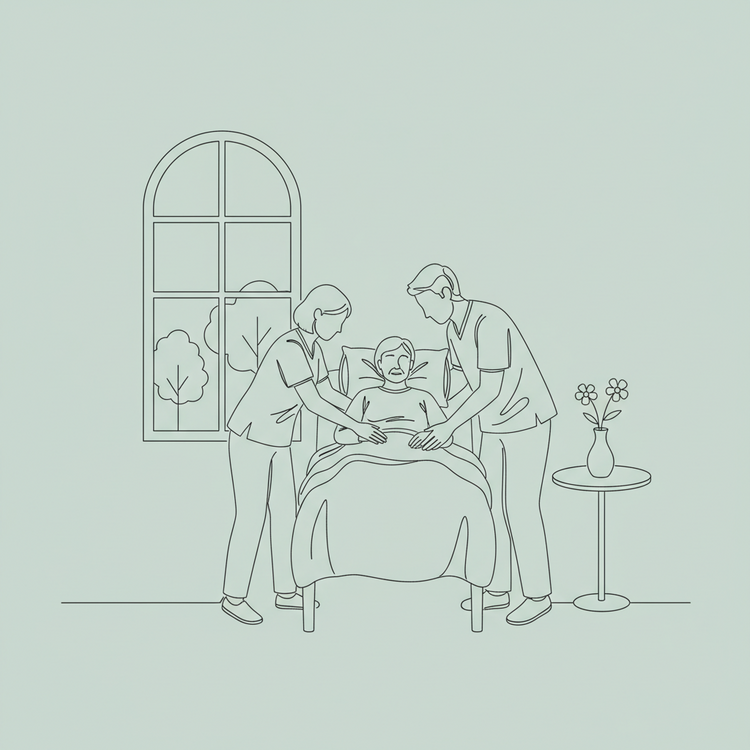
Caring for a loved one with a life-limiting illness is an act of profound love and dedication. Yet, the journey can also be incredibly demanding, both physically and emotionally. Family caregivers often find themselves navigating complex medical needs, emotional support, and daily responsibilities, all while facing their own feelings of grief and exhaustion. It’s a role that, without proper support, can lead to burnout, impacting not only the caregivers well-being but also the quality of care they can provide.
Understanding this challenge, hospice care offers a vital service designed specifically for caregivers: respite care. This invaluable benefit provides temporary relief, allowing caregivers to rest, recharge, and tend to their own needs, knowing their loved one is in compassionate hands. This article will explore the importance of respite care, what it includes, and how it ultimately strengthens the caregiving bond.
The Essential Need for Caregiver Rest and Emotional Recovery
The role of a hospice caregiver is often round-the-clock, with little time for personal reprieve. This relentless commitment can take a significant toll. Studies show that a high percentage of family caregivers, with some reports indicating up to 70%, experience symptoms of depression, anxiety, or high stress levels, especially during end-of-life care. This leads to profound physical and emotional exhaustion, often referred to as caregiver burnout.
Without intentional breaks, caregivers risk their own health, leading to diminished energy, emotional resilience, and even a reduced capacity to provide the best care. Organizations like Hospice News emphasize that addressing caregiver burnout is crucial for sustainable support in hospice settings, recognizing that a caregiver’s well-being directly impacts the care recipient’s experience.
What Hospice Respite Care Includes
Respite care is a temporary, short-term inpatient service designed to give primary caregivers a much-needed break. It’s an integral part of the Medicare hospice benefit, which includes coverage for this service. During respite care, the patient is admitted to a Medicare-approved facility, such as an inpatient hospice unit, hospital, or skilled nursing facility, for up to five consecutive days. This allows the caregiver to step away completely, without worry, knowing their loved one is receiving professional, compassionate care.
While the patient is in respite care, they receive all necessary hospice services, including symptom management, personal care, and emotional support, ensuring their comfort and dignity are maintained. Typically, the patient may be responsible for a small copayment for inpatient respite care, but the primary cost is covered under the hospice benefit, as detailed on Medicare.gov.
Why Respite Strengthens—Not Replaces—Caregiving
Some caregivers may feel guilty about taking a break, believing they are abandoning their loved one. However, respite care is not about replacing the caregiver; it’s about empowering them to continue their vital role with renewed strength and compassion. A rested caregiver is better equipped to manage daily tasks, engage empathetically with their loved one, and make informed decisions.
The impact of respite care extends beyond the caregivers’ immediate relief. It indirectly improves the quality of care provided to the patient by reducing the risk of caregiver error or neglect due to exhaustion. Taking planned breaks through respite is a recognized strategy for sustaining the caregiving role long-term, allowing caregivers to process emotions, attend to personal needs, and return feeling refreshed and more present for their loved one. Health Affairs highlights the unseen workforce of family caregivers and the critical need for robust support programs like respite to sustain them.
Granting Yourself Emotional Permission to Rest
One of the hardest aspects of caregiving is accepting help and giving oneself permission to rest. It’s common for caregivers to feel a profound sense of responsibility, often pushing their own needs aside. Yet, true compassionate care begins with self-compassion. Recognizing that you deserve and need a break is not a sign of weakness; it’s a demonstration of strength and self-awareness.
Embrace respite care as an essential component of your caregiving journey. It’s a moment to breathe, reflect, and gather the emotional and physical resources needed to continue providing loving support. Policies and initiatives are increasingly emphasizing caregiver mental health support, with respite care at its core, acknowledging the immense strain and the need for comprehensive support systems.
If your family is exploring hospice care options and the vital support respite care offers, the ViaQuest Hospice team is here to help with comfort, care, and understanding. We believe every moment matters, not just for the patient, but for the compassionate individuals who care for them.
To learn more about how respite care can support your family or to discuss hospice guidance, please contact us at +1 (937) 303-0593. You can also download our Complete Guide to Hospice Care for comprehensive information about services and support available.
Key Takeaways
- Caregiver burnout is a widespread issue, with many experiencing significant stress, and respite care is crucial for their well-being.
- Medicare’s hospice benefit covers short-term inpatient respite care for up to five days, offering caregivers a temporary break.
- Respite care strengthens the caregiving relationship by allowing caregivers to rest and recharge, ultimately improving the quality of care provided to the patient.