

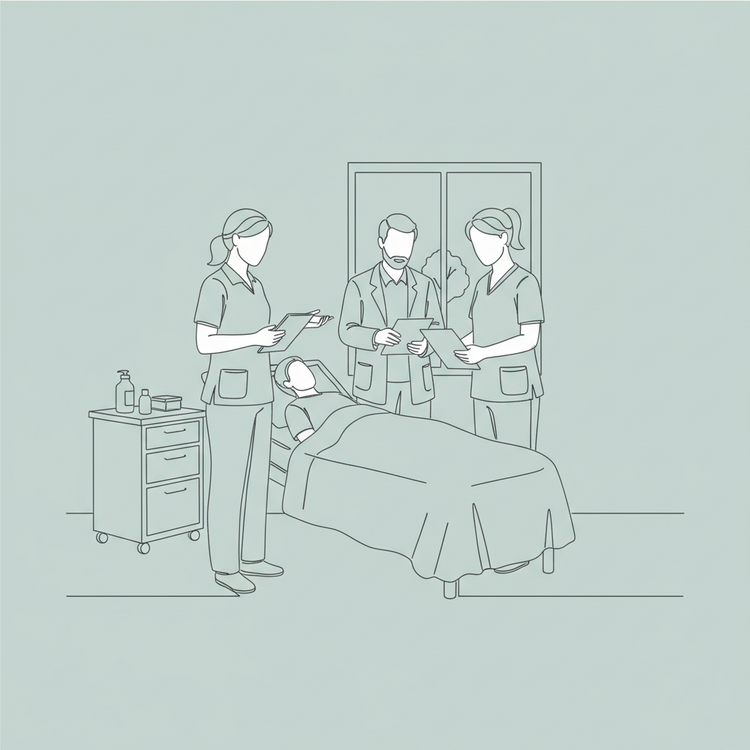
For many families, choosing an assisted living or memory care community is a decision made with love, aimed at ensuring a loved one’s safety, comfort, and quality of life. When a terminal illness arises, the idea of another move can feel overwhelming. Fortunately, they don’t have to. Hospice care is designed to come to the patient, providing an essential layer of support right within the familiar surroundings of their senior living community.
This ability to “age in place” is becoming increasingly important. National data shows a significant trend of end-of-life care moving from hospitals into community settings like assisted living facilities. According to the National Hospice and Palliative Care Organization (NHPCO), a growing number of patients are receiving compassionate hospice care where they already live, surrounded by familiar faces and routines.
This article explores how hospice and senior living communities work together, what each partner provides, and how this collaboration ensures a seamless circle of care for residents and peace of mind for their families.
A Partnership in Care: What Hospice Adds to Assisted Living
It’s helpful to think of hospice not as a place, but as a philosophy of care that enhances the services already provided by an assisted living or memory care facility. The two teams have distinct but complementary roles.
- The Assisted Living & Memory Care Team continues to provide the services covered by the residency agreement. This includes room and board, meals, assistance with daily activities like bathing and dressing, social programming, and 24-hour staffing. They are the experts in the resident’s daily life and routines.
- The Hospice Team adds a specialized layer of clinical, emotional, and spiritual support focused on managing the terminal illness. This interdisciplinary team includes a hospice physician, registered nurse, hospice aide, social worker, spiritual care coordinator, and volunteers. They focus on pain and symptom management, emotional support for the patient and family, and guidance through the end-of-life journey.
This partnership ensures that the resident’s physical, emotional, and spiritual needs are all being met in a coordinated way. The goal is to prevent crises, reduce the need for hospital visits, and maximize comfort and dignity.
The Heart of Coordination: How Teams Work Together
The success of facility-based hospice care hinges on one critical element: communication. A seamless partnership prevents duplicated tasks, reduces the risk of medication errors, and ensures the resident’s care plan is always aligned with their wishes. As noted in a recent report on care coordination in senior living, strong partnerships are becoming the industry standard for quality.
The ViaQuest Hospice team works closely with facility staff through:
- Regular Care Conferences: The hospice team meets frequently with facility nurses and administrators to discuss the resident’s condition, update the plan of care, and address any new challenges.
- Coordinated Medication Management: The hospice nurse collaborates with facility staff to manage medications for pain and symptom relief, ensuring they are administered safely and effectively.
- Shared Care Planning: Both teams contribute to a unified care plan that respects the resident’s daily routine while integrating the clinical support needed for comfort.
Specialized Comfort in Memory Care
Providing hospice care for a resident with advanced dementia requires an even deeper level of expertise and collaboration. When a resident can no longer verbally express their needs, the hospice team relies on specialized skills to ensure comfort.
Nurses trained in memory care hospice are experts at identifying non-verbal cues of pain or distress, such as facial grimacing, restlessness, or changes in behavior. They use validated assessment tools to measure comfort and work with the facility’s memory care staff to implement non-pharmacological approaches like gentle repositioning, music therapy, or creating a calmer environment. This ensures that even non-verbal residents receive the dignity and compassionate symptom management they deserve.
Navigating Costs: Understanding What Medicare Covers
Understanding the financial aspect is crucial for families. The payment structure is straightforward but involves two separate components:
- Hospice Services: The Medicare Hospice Benefit (as well as Medicaid and most private insurance plans) covers the full cost of the hospice team’s services. This includes all nursing and aide visits, social work, spiritual care, medical supplies, and equipment related to the terminal diagnosis.
- Room and Board: The family remains responsible for paying the assisted living or memory care facility for room, board, and daily living assistance, just as they did before hospice care began. The Medicare Hospice Benefit does not pay for housing costs.
Clear communication about these separate costs from the start helps families plan accordingly and avoids confusion, allowing them to focus on the time they have left with their loved one.
When your loved one’s journey includes the need for compassionate end-of-life care within their senior living community, ensuring a smooth collaboration is key. If you are exploring how hospice can support a resident in an assisted living or memory care facility in Ohio, Indiana, or Pennsylvania, we are here to guide you. Contact ViaQuest Hospice at +1 (937) 303-0593 to learn how our team partners with facilities to provide seamless, dignified care.
For a deeper understanding of the services available, you can also download our Complete Guide to Hospice Care.
Key Takeaways
- Hospice is a supportive layer of care added to the services already provided by an assisted living or memory care facility, allowing residents to age in place.
- The Medicare Hospice Benefit covers the clinical, emotional, and spiritual care from the hospice team, while the family continues to pay the facility for room and board.
- Excellent communication and coordination between the hospice team and facility staff are essential for providing seamless, high-quality end-of-life care, especially for residents with dementia.