

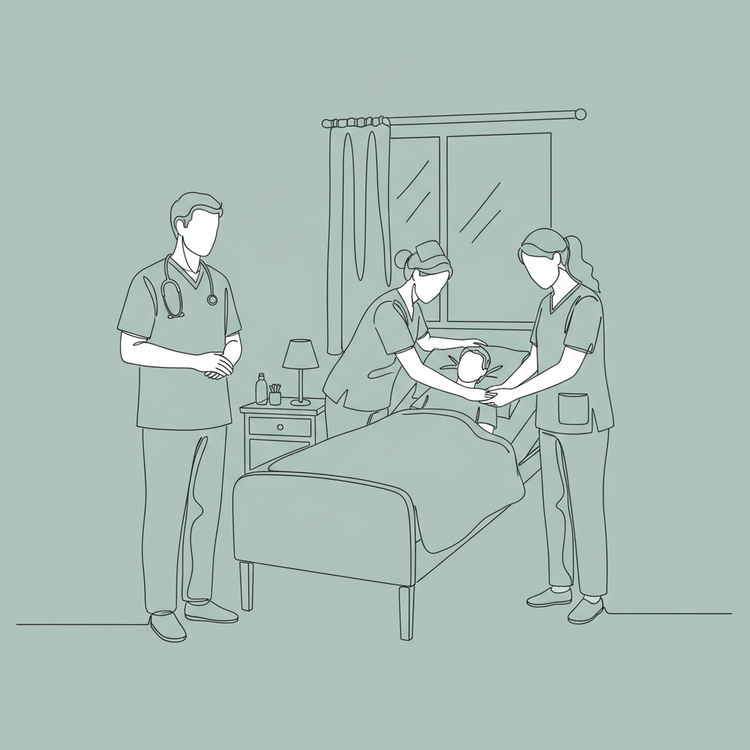
The final days of life are a sacred, profound, and often challenging time for both patients and their families. It is a period where the focus shifts entirely from curing illness to ensuring comfort, preserving dignity, and honoring the person’s journey. At ViaQuest Hospice, we believe that every moment matters, and our specialized end-of-life programs are designed to facilitate a peaceful transition by providing compassionate, expert care when it is needed most.
This article explores how dedicated hospice programs support patients and families through the final stage of life. We will discuss the philosophy of proactive comfort care, explain the natural process of dying, and share how families can be empowered to create meaningful final moments.
Beyond Standard Care: Anticipating Needs Before They Arise
Specialized hospice care in the final days is fundamentally proactive rather than reactive. The goal is to anticipate a patient’s needs before symptoms can cause distress. A core tenet of this approach is what experts from the Center to Advance Palliative Care (CAPC) call “anticipatory prescribing.” This involves ensuring medications for common end-of-life symptoms—such as pain, breathlessness, anxiety, or excess secretions—are available in the home ahead of time. This preparation prevents crises, avoids distressing emergency room visits, and ensures that relief can be provided the moment it is needed.
This approach also involves reducing medical interventions that no longer contribute to comfort. Following principles like those in the “Choosing Wisely” campaign, the hospice team may recommend discontinuing medications that don’t enhance quality of life and guide families away from interventions like artificial hydration that can sometimes increase discomfort during the dying process.
Understanding the Active Dying Phase
The “active dying” phase is the final stage of the dying process, typically lasting from a few hours to a few days. For families, witnessing these changes can be frightening without context. A primary role of the hospice team is to provide gentle education about what to expect, reframing these signs not as a medical emergency, but as a natural and peaceful transition.
Common physical changes may include:
- Changes in Breathing: Patterns may become irregular, with periods of rapid breaths followed by pauses (a pattern known as Cheyne-Stokes).
- Circulation Changes: The hands and feet may feel cool to the touch, and the skin may appear mottled or discolored as circulation slows.
- Decreased Consciousness: The person will likely sleep more and may become unresponsive. Even when unconscious, they may still be able to hear, making a gentle touch and soft words deeply comforting.
By explaining these changes, hospice teams help demystify the experience, reducing fear and empowering families to remain a reassuring presence at the bedside.
Vigil Care: The Comfort of Continuous Presence
No one should have to die alone. This belief is the foundation of vigil care, a compassionate practice where a continuous, comforting presence is maintained at the patient’s bedside during the active dying phase. This support is often provided by a rotating team of trained hospice staff and volunteers.
Research highlighted in publications like the Journal of Pain and Symptom Management shows that vigil programs provide immense benefits. They not only ensure the patient’s peace but also significantly reduce the anxiety and emotional distress of family members. Knowing their loved one is being cared for with such dedication allows families to take needed breaks for rest, confident that a warm, supportive presence remains.
Creating a Peaceful Environment
While medication is vital for managing pain and other physical symptoms, creating a peaceful transition involves much more. The National Institute on Aging (NIA) emphasizes the importance of non-pharmacological comfort measures. These simple yet powerful actions can transform the care environment and be performed by family members, helping them participate meaningfully.
These measures include:
- Moistening the lips and mouth for comfort.
- Gently repositioning the body with pillows for support.
- Playing soft, familiar music or reading aloud.
- Adjusting the room’s temperature and lighting to be soothing.
- Holding their hand or offering a gentle touch.
The hospice team can also help facilitate cultural or spiritual rituals that are important to the patient and family, ensuring that care aligns with their values and beliefs. After death, this compassionate support continues, allowing the family private time for goodbyes and providing immediate bereavement support.
Navigating the end of life is a journey that requires not only medical expertise but deep compassion and understanding. By anticipating needs, educating families, and creating a circle of support, specialized hospice programs help ensure that a person’s final days are filled with peace, dignity, and love.
For families seeking hospice care that provides proactive comfort and honors every moment, our dedicated team is here to guide you. To learn more about our Peaceful Transitions program and how we support patients in their final days, please call ViaQuest Hospice at +1 (937) 303-0593.
You can also download our Complete Guide to Hospice Care for comprehensive information about the services and support available to your family.
Key Takeaways
- Specialized end-of-life care focuses on proactive symptom management, ensuring medications are available before a crisis occurs to maximize comfort.
- Family education about the natural signs of dying helps reduce fear and empowers loved ones to provide a comforting presence.
- A peaceful transition is achieved through a blend of expert medical care, compassionate vigil presence, and simple, non-pharmacological comfort measures like adjusting the environment and offering a gentle touch.