

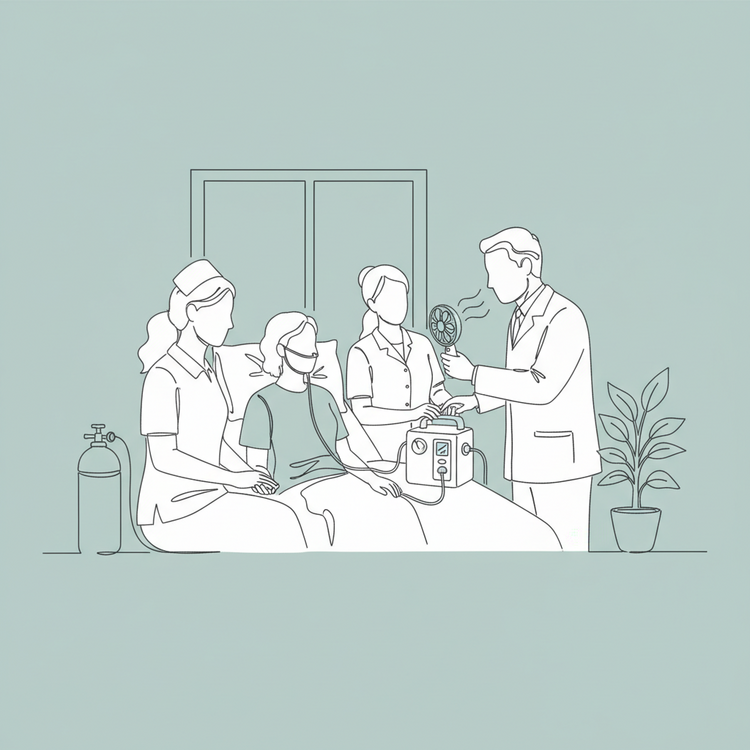
For many, the hiss of an oxygen machine is the sound of life support. We see it as a medical necessity, a bridge to recovery. But in hospice care, the role of oxygen therapy often shifts from prolonging life to enhancing the quality of the moments that remain. Understanding this distinction is one of the most important—and often difficult—parts of the end-of-life journey.
The decision to use, continue, or stop oxygen can be filled with emotion and uncertainty for patients and their families. It touches on deep-seated beliefs about care and survival. This article will explore the compassionate, comfort-focused approach to oxygen therapy in hospice, helping you understand its true purpose in end-of-life care.
When Oxygen Provides the Most Comfort
In hospice, every decision is guided by a single question: will this improve the patient’s comfort and dignity? For oxygen therapy, the answer depends on the underlying medical reason for breathlessness, a condition known as dyspnea.
Clinical evidence shows that supplemental oxygen is most effective at relieving shortness of breath in patients who are hypoxemic, meaning they have verifiably low levels of oxygen in their blood. For individuals with conditions like advanced COPD, heart failure, or lung cancer that lead to hypoxemia, providing oxygen can ease the physical strain of breathing, reduce anxiety, and allow for more peaceful rest. The goal isn’t to reverse the disease but to alleviate one of its most distressing symptoms.
Managing “Air Hunger” with More Than Just Oxygen
One of the key discoveries in palliative care is that the *sensation* of breathlessness is not always linked to low oxygen levels. Many hospice patients experience dyspnea even with normal blood oxygen. In these cases, research published in the Journal of Pain and Symptom Management highlights that supplemental oxygen may provide little to no benefit.
Instead of relying solely on oxygen, hospice teams use a range of proven comfort measures. According to an evidence-based approach, first-line treatments often include:
- Low-Dose Opioids: Medications like morphine are highly effective at reducing the sensation of “air hunger” by calming the respiratory center in the brain.
- A Simple Fan: Directing a small, handheld fan toward the patient’s face is a surprisingly powerful tool. The sensation of cool air on the cheeks can significantly reduce the feeling of breathlessness, a technique supported by organizations like the Palliative Care Network of Wisconsin.
- Positioning and Pacing: Elevating the head of the bed, teaching relaxed breathing techniques, and helping patients pace their activities can conserve energy and ease breathing.
Family Expectations and the Psychology of Oxygen
For families, the presence of an oxygen concentrator can be deeply symbolic. It represents active, life-sustaining care, and the thought of removing it can feel like giving up. This is a normal and understandable emotion. A significant part of hospice care involves gentle education, helping loved ones see that the true goal has shifted from cure to comfort.
Hospice nurses and social workers are skilled at navigating these conversations. They explain that if the oxygen isn’t improving comfort—and may even be causing burdens like dry nasal passages, noise, or limited mobility—then other comfort measures are a more compassionate choice. It’s about ensuring the patient’s final days are as peaceful and comfortable as possible, free from unnecessary medical interventions.
The Gentle Decision to Discontinue Oxygen
Just as starting oxygen is a clinical decision, so is discontinuing it. This choice is never made lightly and is always based on the patient’s comfort. If a patient is no longer benefiting from oxygen, or if the burden of the treatment outweighs its positive effects, the hospice team may recommend stopping it. This is often a natural part of the dying process, especially as the body’s need for oxygen decreases in the final hours or days of life.
This is not “withdrawing care” but rather a transition to a different kind of care—one focused on tranquility and presence. As discussed in the American Journal of Hospice and Palliative Medicine, this pivot requires careful communication to ensure families understand it as an act of compassion, not abandonment.
Medicare Coverage for Oxygen in Hospice
Families often worry about the cost of medical equipment. It’s reassuring to know that under the Medicare Hospice Benefit, all durable medical equipment (DME) related to the terminal diagnosis, including oxygen concentrators and portable tanks, is fully covered. The hospice agency arranges for the delivery, setup, and maintenance of the equipment, with the costs included in the daily payment rate they receive from Medicare.
Navigating the role of oxygen therapy at the end of life requires a delicate balance of medical knowledge and deep compassion. If you have questions about comfort care and how to best manage breathlessness for your loved one, our experienced team is here to provide clarity and support. To discuss your family’s specific needs and learn more about a comfort-focused approach, please call ViaQuest Hospice at +1 (937) 303-0593.
You can also download our Complete Guide to Hospice Care for comprehensive information about the services and support available to your family.
Key Takeaways
- Oxygen therapy in hospice is used to improve comfort from breathlessness, not to prolong life.
- It is most effective for patients with low blood oxygen levels (hypoxemia); for others, alternative measures may provide better relief.
- Non-medical comfort tools, like a gentle fan or low-dose opioids, are often primary treatments for the sensation of “air hunger.”