

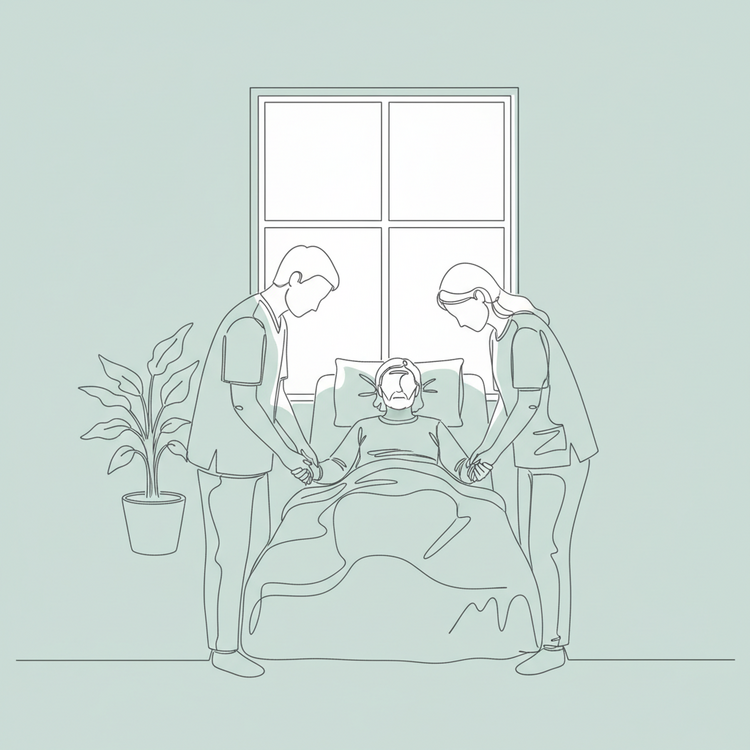
The end-of-life journey is a profound and sacred transition, one that often calls for more than just physical comfort. It is a time for connection, reflection, and finding meaning in a lifetime of memories. In these tender moments, rituals can serve as powerful anchors, providing structure, comfort, and a sense of peace for both patients and their families when so much feels uncertain.
Whether rooted in ancient faith, cultural traditions, or newly created family practices, rituals help us honor the life of the person we love. They create a space for expressing emotions, facilitating goodbyes, and building a bridge between living and letting go. In fact, the power of these moments is more than just emotional; a 2023 study found that spiritual care interventions, including rituals, are significantly associated with higher ratings of peace and quality of life for hospice patients.
This article explores how families can create and embrace meaningful rituals during hospice care, transforming a difficult time into a period of deep connection and sacred remembrance.
Honoring Faith and Cultural Traditions
For many, existing religious and cultural ceremonies are a deep source of solace. Practices like anointing, last rites, communion, or specific cultural blessings provide a familiar framework for navigating the unknown. These long-held traditions connect the patient and family to their community, their heritage, and their beliefs, offering a sense of continuity and spiritual support.
A compassionate hospice team understands the vital importance of these practices. It is crucial for care providers to approach every family with cultural humility, recognizing that a failure to understand or support diverse spiritual needs can cause distress. As noted in the American Journal of Hospice and Palliative Medicine, addressing these needs requires competency and open communication, ensuring that every patient’s beliefs are honored with dignity and respect.
Creating New, Personal Family Rituals
Rituals do not need to be formal or ancient to be powerful. Some of the most meaningful moments are the new traditions a family creates together, ones that uniquely reflect the personality and values of their loved one. The definition of spiritual care in hospice is expanding, embracing secular and personalized practices that provide comfort to a diverse population.
These new rituals can be beautifully simple:
- Daily Blessings: Starting or ending the day by sharing a favorite memory, a word of gratitude, or a simple blessing at the bedside.
- Music and Song: Creating a playlist of favorite songs to fill the room with comforting sounds. Singing together, even quietly, can be a profoundly connecting experience.
- Shared Readings: Reading aloud from a favorite book, a collection of poems, or sacred texts can create a calm and intimate atmosphere.
The Healing Power of Legacy Rituals
One of the most powerful ways to honor a life is through legacy-making. These activities serve as a modern ritual that helps patients affirm their identity and offers families a lasting, tangible connection to their loved one. Research has shown that legacy-building is a therapeutic tool that creates a continuing bond for those who are grieving.
Legacy rituals can take many forms, often blending creativity with heartfelt emotion:
- Memory Boxes: Gathering meaningful objects, photos, and letters in a special box.
- Recorded Messages: Using a smartphone to record the patient sharing stories, life lessons, or messages of love for family members.
- Handprints or Castings: Creating a plaster cast or ink print of a patient’s hand, often held by a loved one.
- Blessing Objects: Asking friends and family to write messages or prayers on small stones or pieces of fabric to be kept near the patient.
Rituals for Transition and Remembrance
As the end of life draws near, rituals can help create a peaceful and sacred atmosphere. A bedside vigil, where family members sit quietly, share stories, or simply hold their loved one’s hand, can be a profound act of love. This time is not about waiting for death, but about being fully present in the final moments of life.
After a loved one has passed, rituals continue to play a crucial role in the grieving process. As experts from the National Hospice and Palliative Care Organization (NHPCO) note, post-death rituals are critical for processing grief and supporting long-term bereavement. These can include lighting a candle on an anniversary, sharing a meal of their favorite food, or engaging in other grief rituals that help honor their memory and navigate the path of loss.
How ViaQuest Hospice Supports Your Sacred Moments
Your hospice team is a partner in creating these meaningful moments. The role of the hospice chaplain, in particular, has evolved to meet the diverse needs of modern families. Today, chaplains are often trained as skilled facilitators of both religious and secular rituals. They can help a family blend different traditions or create entirely new ceremonies that feel authentic and true.
At ViaQuest Hospice, we believe every moment matters. Our team is committed to helping you honor your loved one in a way that provides comfort, dignity, and connection. Whether that involves coordinating with your faith leader, helping you record a legacy message, or simply providing a quiet, supportive presence, we are here to walk alongside you.
At ViaQuest Hospice, we understand that every family’s journey is unique and deeply personal. If you are exploring how to create sacred moments for your loved one, our compassionate team is here to listen and support you. To discuss how we can help honor your family’s traditions and values, please call us at +1 (937) 303-0593.
You can also download our Complete Guide to Hospice Care for more comprehensive information on the support available to you and your family.
Key Takeaways
- Rituals provide essential comfort, meaning, and a sense of peace for patients and families during the end-of-life journey.
- Legacy-making activities, such as writing letters or recording messages, are powerful modern rituals that create a lasting connection for grieving families.
- A compassionate hospice team can help families honor existing religious or cultural traditions as well as create new, personalized rituals that reflect a loved one’s unique life.